
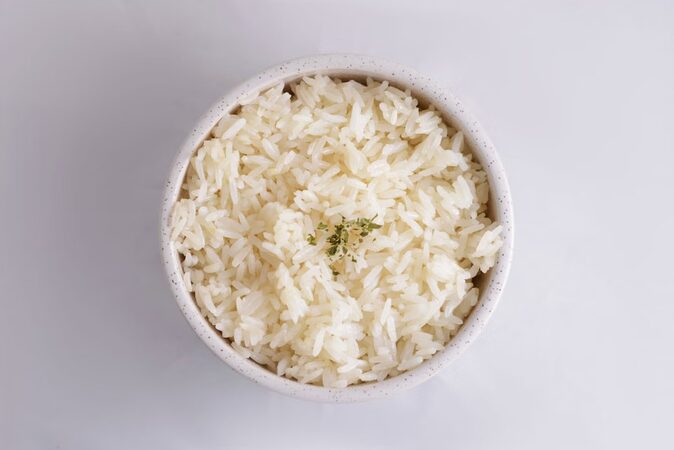
Rice remains a staple in kitchens worldwide because it combines versatility, affordability, and reliable energy in a single ingredient. For centuries, communities across Asia, Africa, Latin America, and other regions have relied on rice as a regular part of their diets. Its importance developed through a combination of agricultural conditions, cultural traditions, and practical food requirements. Rice can be cultivated in different environments, although individual varieties have specific growing needs, and harvested grains can be stored for extended periods when kept dry and protected from pests. These characteristics have made rice a dependable household staple, supporting everyday meals across generations and contributing to its continued importance in global food systems.
Why Rice Fits Different Agricultural Environments
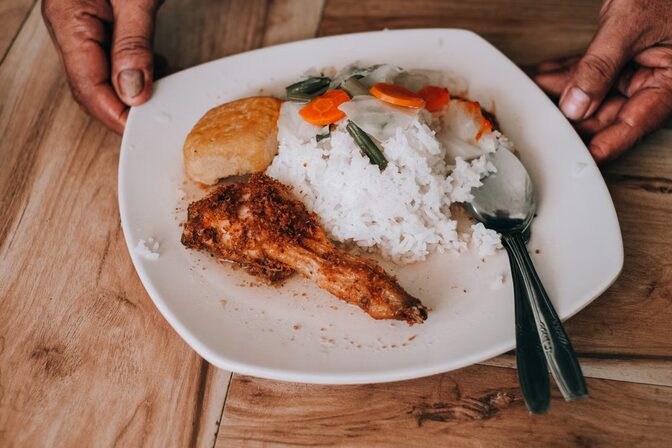
Rice cultivation has expanded across regions with different climates, landscapes, and farming traditions. Some varieties grow in flooded fields, while others are cultivated in upland environments without continuous flooding. Irrigated systems can support predictable production where water infrastructure is available, while rain-fed cultivation depends more heavily on seasonal rainfall. These differences have allowed farmers to adapt rice production to local conditions and available resources. Improvements in crop varieties, irrigation, and farming techniques have further influenced yields and reliability. However, rice production remains vulnerable to drought, flooding, temperature changes, and other environmental pressures. Its global significance reflects both its agricultural adaptability and the extensive systems developed to cultivate, process, transport, and distribute it.
How Rice Became Part of Diverse Food Cultures
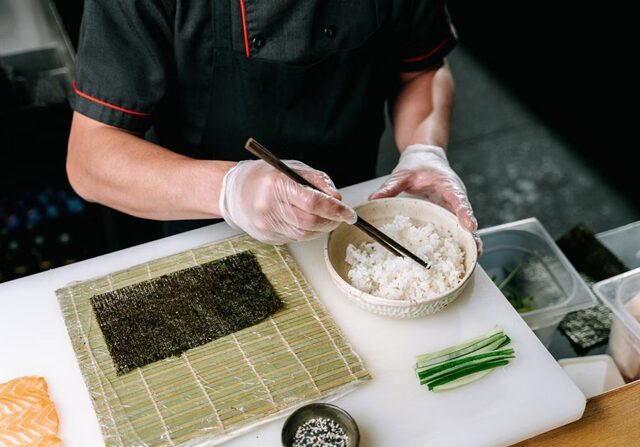
Rice is deeply embedded in food traditions because it accommodates a wide range of ingredients, cooking methods, and flavors. In some cuisines, people serve it alongside vegetables, meat, fish, or legumes. Elsewhere, it forms the foundation of dishes prepared with spices, sauces, herbs, or coconut milk. People also incorporate rice into soups, fermented foods, desserts, and snacks. Its relatively mild flavor lets other ingredients shine, while differences in grain length and starch composition create distinct textures. These qualities have encouraged communities to develop recognizable regional dishes using locally available ingredients. Over time, rice has become more than a source of nourishment, acquiring cultural significance through family meals, celebrations, and customary food preparation.
Why Rice Works Across Different Household Budgets
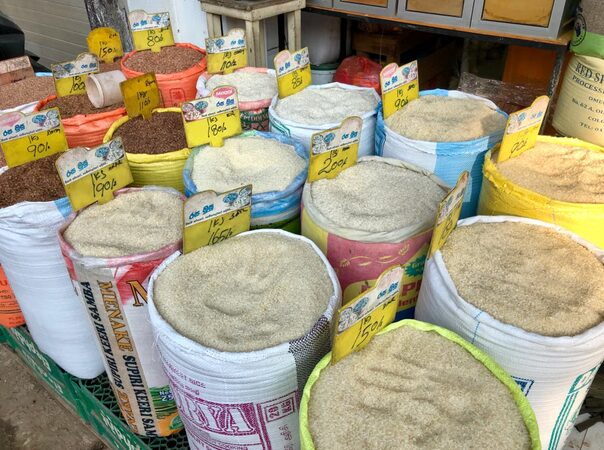
Rice is widely used because it provides substantial energy at a relatively accessible cost, though prices vary by region, variety, harvest conditions, and transportation expenses. Dry rice is also compact compared with many fresh foods and can be stored without refrigeration under suitable conditions. This makes it practical for households that buy food in bulk or need ingredients that last between shopping trips. Rice can stretch a meal when combined with beans, vegetables, eggs, or other foods, helping households prepare filling dishes from several ingredients. Its economic value nevertheless depends on local availability and preparation costs. Fuel, cooking time, and market prices can affect rice affordability in different settings.
Rice remains a global staple because its agricultural history, cultural importance, economic practicality, and cooking properties make it suitable for countless meals. Different cultivation systems support production across diverse environments, while regional traditions have transformed rice into a wide range of familiar dishes. Its storage properties and compatibility with other ingredients also make it valuable in everyday cooking at home. Although production costs and environmental pressures continue to affect its availability, rice remains central to global food culture because it meets nutritional, practical, and culinary needs across many communities.
